Eco-Friendly Landscaping: Sustainable Choices for a Greener Yard May 02, 2026
The first step towards an eco-friendly landscape begins with water conservation. Traditional lawns require a lot of water, but rain gardens present a fantastic alternative. By strategically placing rain gardens, you can take advantage of natural water flow, capturing run-off and allowing it to nourish your garden. Native plants are vital in these gardens, as they thrive with minimal irrigation. Their deep root systems absorb water efficiently, helping to manage runoff and prevent soil erosion. By choosing drought-resistant plants, you reduce the need for excessive watering, thus conserving resources.
Organic lawn care is another cornerstone of sustainable landscaping. Avoid chemical fertilizers and opt for natural compost or organic soil enhancers. These not only improve soil health but also enhance biodiversity by attracting beneficial insects and microorganisms. Composting yard waste is a simple yet effective practice. It prevents organic waste from going to landfills and provides nutrient-rich material for your garden.
Incorporating shade structures and strategic planting can also boost the eco-friendliness of your yard. By planting shade trees, you create a cooler micro-climate, reducing the need for air conditioning in summer. Consider positioning trees and large shrubs to provide shade for your home and outdoor areas. This natural form of climate control is both energy-efficient and cost-effective.
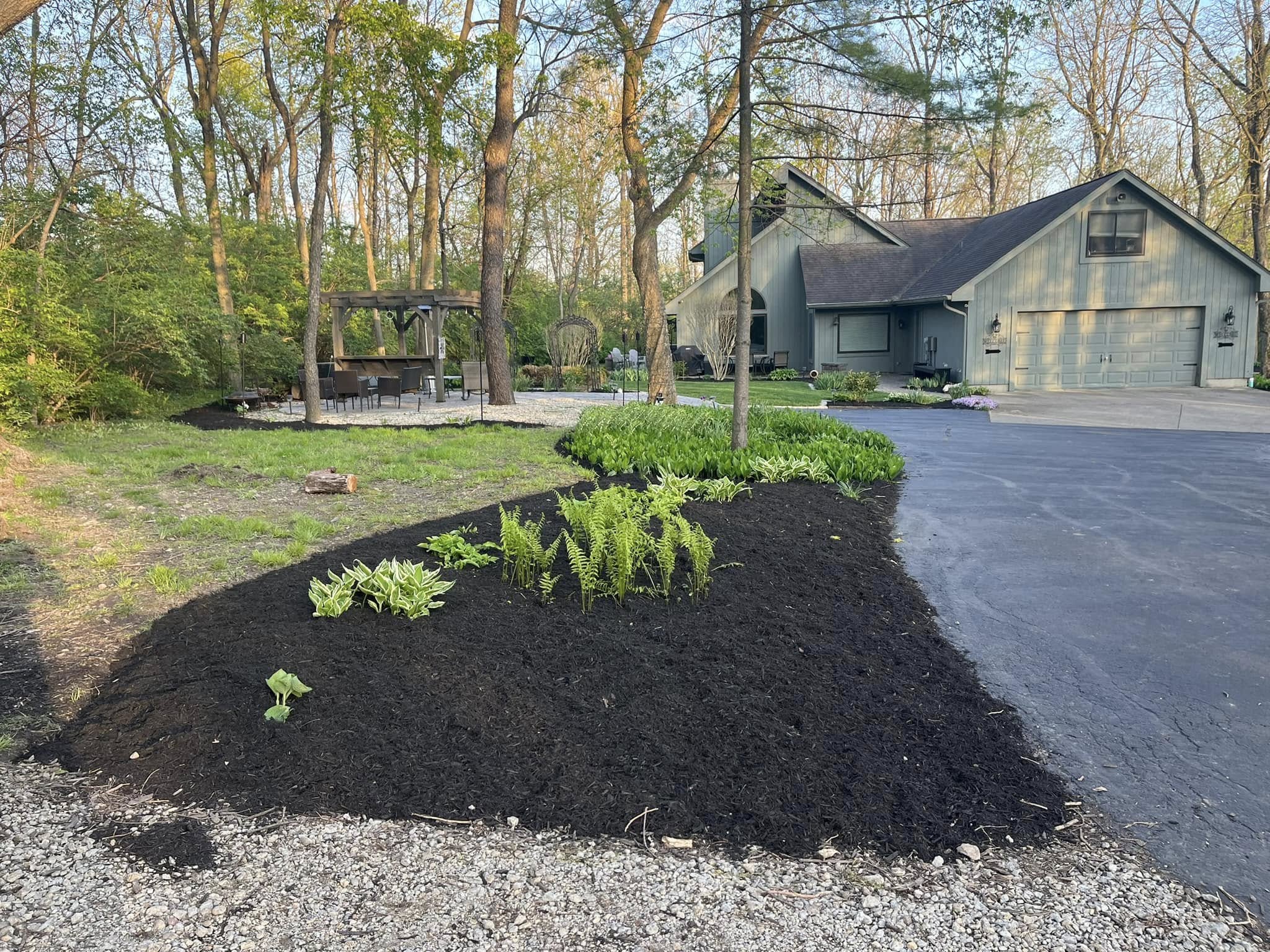
Mulching is another practice that comes with numerous ecological benefits. By covering the soil with a layer of organic mulch, you conserve moisture, suppress weeds, and improve soil quality. As mulch decomposes, it provides essential nutrients to your plants, promoting healthy growth. Moreover, using locally sourced mulch reduces transportation emissions, contributing to a smaller carbon footprint.
A sustainable approach to landscaping also involves reducing lawn sizes. Expansive lawns are resource-intensive, requiring significant amounts of water, fertilizers, and time. Replacing sections of your lawn with ground covers, ornamental grasses, or flower beds not only cuts down on maintenance but also supports local ecosystems by attracting pollinators like bees and butterflies.
Native plant gardens deserve special mention for their role in fostering sustainability. Native plants are adapted to local conditions, reducing the need for fertilizers, pesticides, and extensive watering. They provide habitats for local wildlife and help maintain balanced ecosystems. Consider working with a local expert from K.R. Wessling Outdoor Services to identify the best native plants for your area.
Finally, to fully embrace eco-friendly landscaping, consider the use of environmentally friendly hardscaping materials. Opt for permeable pavers or recycled materials to minimize environmental impact. Permeable surfaces allow rainwater to filter through, reducing runoff and promoting groundwater recharge.
In conclusion, transitioning to sustainable landscaping practices can greatly benefit your yard and the environment. Simple adjustments can lead to significant energy and resource savings, while creating a beautiful, thriving landscape. At K.R. Wessling Outdoor Services, we're dedicated to helping you make environmentally sound decisions that will enhance your home and leave a lasting positive impact. Embrace these sustainable choices and watch as your yard transforms into an eco-friendly sanctuary.
/filters:no_upscale()/filters:format(webp)/media/1eb5ec18-8d9f-452c-a9af-ffe2cde2682c.jpeg)